
Roles, Differences, and Safe Lifting Support
The primary difference between a rigger and a dogman lies in their scope of work: a dogman focuses on the load “below the hook” through slinging and signaling, while a rigger manages the structural integrity and mechanical setup of the entire lifting system. In Australia, both roles require specific High-Risk Work Licences (HRWL) to ensure site safety.
What is a Dogman?
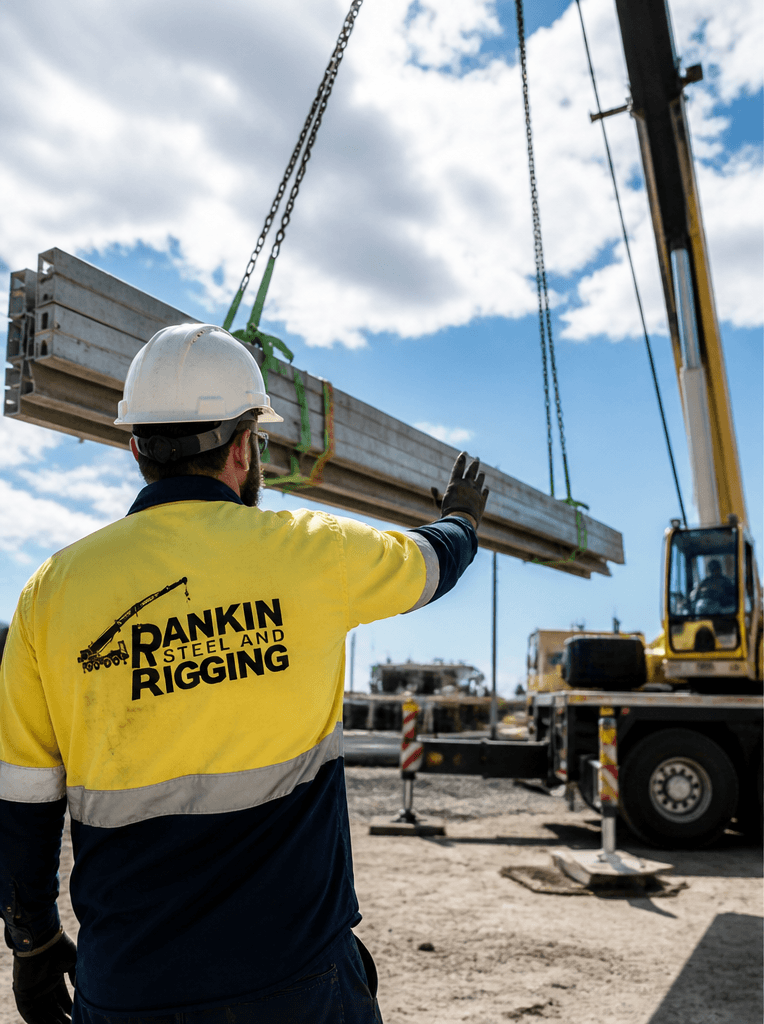
Dogger – Managing mechanical load-shifting equipment and selecting chains, slings, and shackles.
A dogman, also known as a dogger, is responsible for ensuring loads are safely prepared and guided during crane operations. They work at ground level and act as the primary communicator with the crane operator.
Key responsibilities include:
- Selecting appropriate lifting gear (slings, chains, shackles)
- Inspecting equipment before use
- Calculating load weight and balance
- Directing crane movements using hand or radio signals
- Ensuring safe attachment and detachment of loads
Dogmen hold a Dogging (DG) High-Risk Work Licence, which is mandatory under Australian safety regulations.
What is a Rigger?
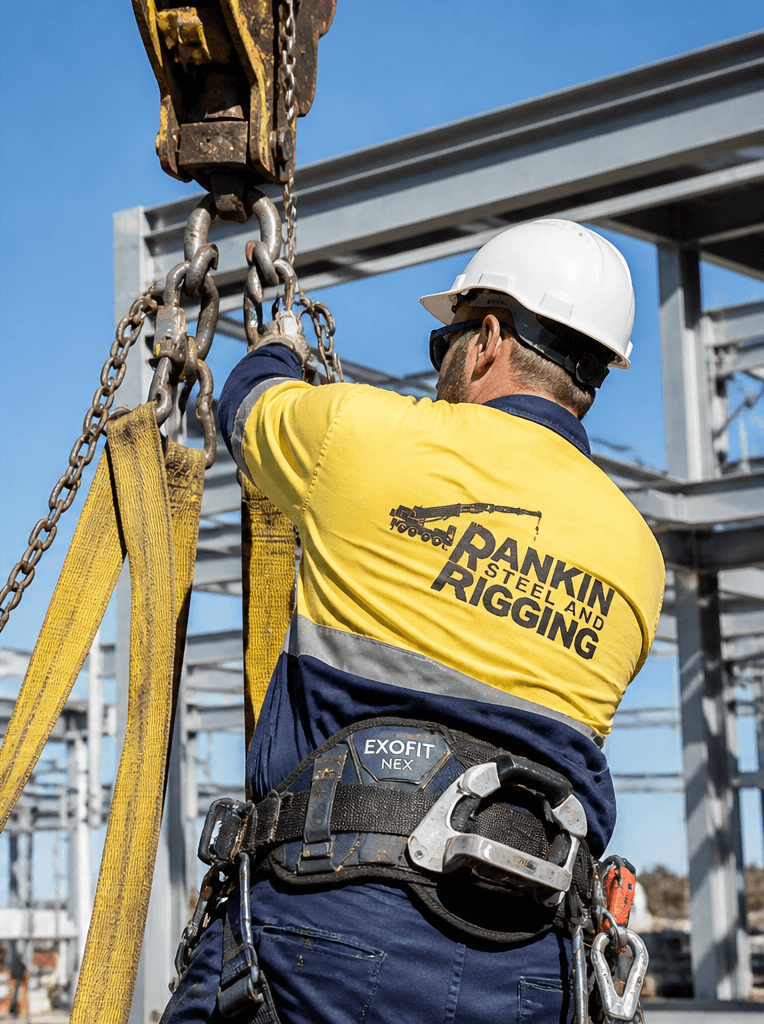
Structural Lifting Specialist – Installing safety nets, static lines, and perimeter screens.
A rigger takes a broader role in lifting operations, focusing on the setup, movement, and placement of heavy or complex loads—often at height or within structural frameworks.
In Australia, rigging work is classified into three licence levels:
- Basic Rigging (RB): Steel structures, basic lifts, placement of precast elements
- Intermediate Rigging (RI): Tilt-up panels, hoists, more complex load shifting
- Advanced Rigging (RA): Complex lifts, dual crane operations, engineered lifts
Riggers are responsible for ensuring lifting systems are correctly configured and structurally sound before any lift occurs.
HIRE EXPERT RIGGERS & DOGMEN | 📞07 5537 9387 <strong>GET A FREE QUOTE</strong>
Key Differences: Dogman vs Rigger
| Feature | Dogman (Dogger) | Rigger |
|---|---|---|
| Primary Focus | Slinging loads & signaling | Structural setup & lift execution |
| Licensing | Dogging (DG) Licence | RB, RI, or RA Rigging Licence |
| Core Tasks | Load inspection, weight calculation, communication | Steel erection, equipment setup, complex lifts |
| Work Position | Ground / “below the hook” | On structures or elevated positions |
| Scope | Supports lifting operations | Leads and executes rigging systems |
Do You Need a Rigger or a Dogman?
The answer depends on the complexity of your project.
- For basic lifting and crane communication, a qualified dogman is sufficient
- For structural work, steel erection, or multi-stage lifts, a licensed rigger is required
- For larger projects, both roles work together to ensure safety and efficiency
In most Australian worksites, riggers already hold dogging qualifications, meaning they can perform both roles when needed.
Why Riggers and Dogmen Work as a Team
While a licensed rigger is technically qualified to perform dogging work, complex projects often require both roles to be present simultaneously.
-
Safety Redundancy: Having a dedicated dogman allows the rigger to focus on the structural stability of the hoist or crane, while the dogman maintains a constant line of sight with the operator.
-
Efficiency: Efficiency: On high-traffic Gold Coast sites, this partnership prevents damage to materials and ensures that “blind lifts” are executed with zero communication lag.
Licensing and Safety Requirements in Australia
All rigging and dogging work must comply with national safety standards.
- Workers must hold a valid High-Risk Work Licence (HRWL)
- Licensing follows the National Standard for Licensing Persons Performing High Risk Work
- Regulations are enforced by authorities such as Safe Work Australia
These requirements ensure that all lifting operations are carried out safely, reducing risk to workers, equipment, and structures.
Riggers and Dogmen Services on the Gold Coast
At Rankin Steel & Rigging, our experienced team supports a wide range of lifting and rigging projects across the Gold Coast.
We regularly assist with:
- Structural steel installation and erection
- Crane support and coordination
- Machinery and equipment lifting
- Multi-stage and complex lifts
- General site rigging and labour support
Our crews are fully licensed, site-ready, and experienced in working alongside crane operators, builders, and project managers.
Why Experience Matters in Rigging and Dogging
Lifting operations involve high-risk variables—load weight, balance, environmental conditions, and coordination between teams. Even with correct licensing, practical experience is what ensures smooth and safe execution.
That’s why projects across the Gold Coast rely on teams that not only meet compliance standards but also bring real on-site expertise.
Frequently Asked Questions
Can a rigger work as a dogman?
Yes. In Australia, a rigging licence typically requires a dogging licence as a prerequisite, meaning most riggers are qualified to perform dogging work.
Is dogging required before rigging?
Yes. You must obtain a Dogging (DG) licence before progressing to any level of rigging (RB, RI, RA).
What is the difference between rigging and lifting?
Lifting refers to the act of moving loads using equipment like cranes, while rigging involves preparing, securing, and controlling those loads safely.
Are riggers required for all crane lifts?
Not all lifts require a rigger. However, any complex, high-risk, or structural lift typically requires a licensed rigger.
Gold Coast Riggers and Dogmen You Can Rely On
When lifting operations are involved, having the right people on site makes all the difference. At Rankin Steel & Rigging, our team of licensed riggers and dogmen supports projects across the Gold Coast with a strong focus on safety, coordination, and efficiency.
We work alongside crane operators, builders, and site supervisors to ensure every lift is planned and executed properly. From structural steel installation to complex multi-stage lifts, our crews are experienced in real-world site conditions—not just compliant on paper.
If you’re planning a project that involves crane work, steel erection, or heavy lifting, having a qualified rigging team in place helps reduce risk, avoid delays, and keep your job running smoothly.